
If you’re from Latin America and thinking about studying in Canada, chances are you’ve already seen a lot of mixed information online. Some people make it sound easy, others say it’s impossible. From my experience helping students through this process, the truth is somewhere in between.
Getting approved for a Canadian student visa is not just about having an acceptance letter. It’s about how your entire profile is presented and whether your plans actually make sense to an immigration officer.
In this blog, I want to share what I usually explain to students before they apply, and what I personally recommend based on real cases.
What Immigration Officers Really Look A
One of the biggest misunderstandings I see is students thinking that approval depends only on documents. In reality, officers are looking at the overall picture.
They usually focus on:
Whether your study plan makes sense
If your academic or work background matches the program
Your financial stability
Your intention to respect the conditions of your stay
A strong profile is not about perfection, but about logic and clarity.


The Study Plan: Where Most Applications Win or Lose
If I had to name one document that makes the biggest difference, it would be the study plan. This is where many applications fail.
From what I’ve seen, weak study plans usually:
Are copied from templates
Don’t explain why Canada
Don’t explain why that specific program
Don’t show long-term goals
A good study plan explains your story in a way that makes sense from the officer’s point of view.
Common Mistakes I See All the Time
These are mistakes I see regularly:
Choosing a program unrelated to your background
Rushing the application
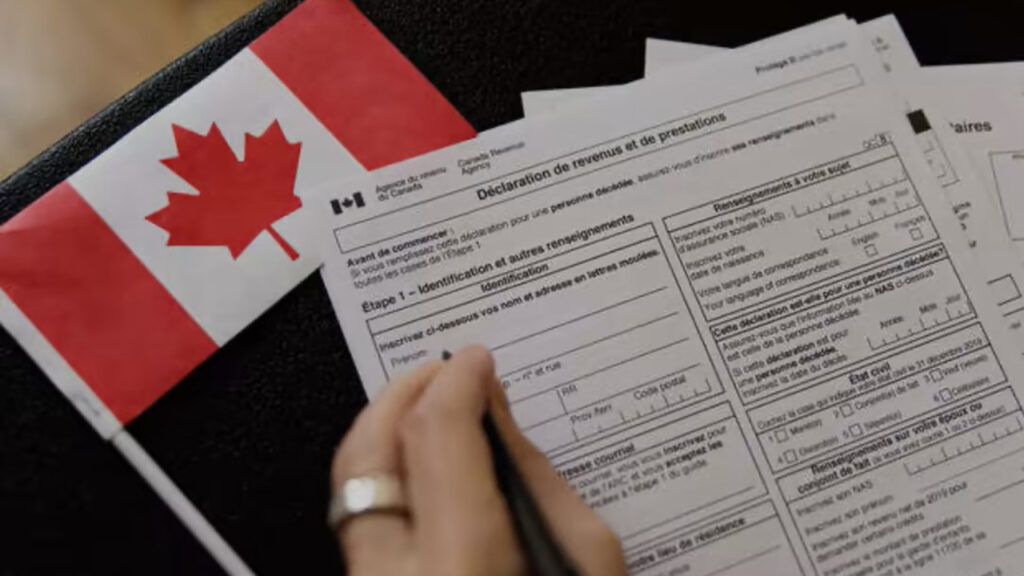
Submitting unclear financial proof
Not explaining career goals
Inconsistent information
Most refusals don’t happen because students aren’t qualified, but because the application doesn’t tell a clear story.

My Personal Recommendations Before You Apply
Before applying, this is what I always recommend:
Be honest about your goals
Choose a program that actually fits your profile
Make sure your finances are clearly documented
Don’t apply just to “see what happens”
A refusal stays on your record, so applying without preparation can hurt future applications.
When Getting Help Makes a Difference
Some students can apply on their own, but many benefit from guidance — especially if:
It’s their first application
They have a previous refusal
Their profile is not straightforward
At Beyond Borders, we help students structure their application in a way that makes sense to an officer, not just upload documents.
Studying in Canada can be life-changing, but the process should be done carefully. If you want guidance based on real experience and not generic advice, Beyond Borders is here to help.